
1- MarkNtel Advisors, accessed February 2026
2- Grand View Research, accessed February 2026


 Share
Share

The wellness landscape is undergoing a significant transformation as consumers increasingly prioritize proactive health management.
According to MarkNtel Advisors, the global dietary supplements market size is projected to reach USD 316.55 billion by 2030, expanding at a CAGR of approximately 9.05% between 2025 and 20301.
This trend is driven by a rising focus on preventive health and the mainstreaming of specific needs, such as gut wellness, within the broader dietary market. It underscores the surging popularity of health supplements as essential tools for modern living.
If you’re in the health supplement business, here are some ways in which you can capitalize on global demand.
Dietary supplements are products designed to augment your nutritional intake rather than replace a balanced diet or prescribed medication.
Unlike pharmaceuticals, which are engineered to treat or cure specific diseases, health supplements are formulated to support and maintain physiological functions.
As such, they are primarily regulated as food products, meaning they are often subject to post-market oversight rather than the pre-approval processes required for drugs.
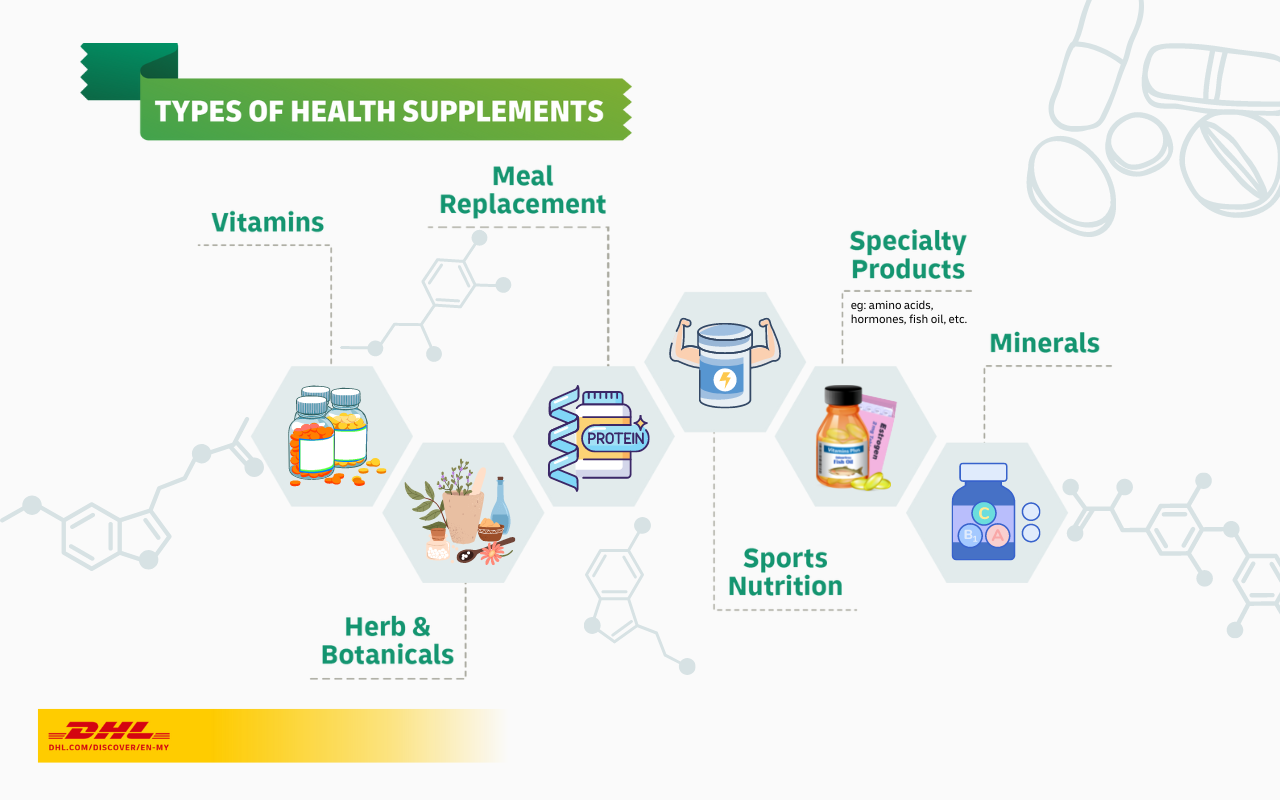
The health supplement industry offers a diverse range of products, including:
Modern lifestyles often lead to nutritional gaps, as hectic schedules and high-stress environments make consistent, balanced dieting difficult. These market trends have shifted consumer behavior toward proactive, preventative healthcare.
Consequently, many individuals integrate dietary supplements into their daily routines to bolster their immunity and energy levels. By utilizing these products, consumers can effectively support their long-term wellness goals alongside regular exercise and mindful eating.
The global health supplement market size was valued at USD 188.23 billion in 2024, with a projected growth to USD 316.55 billion by 20301.
Consumer lifestyle shifts, rapid urbanization, and increasing disposable incomes drive this growth trend, bolstering worldwide industry demand for preventative healthcare solutions.
With a rising global focus on preventive healthcare, the popularity of health supplements is evident across numerous markets. However, two regions continue to dominate the landscape: North America and the Asia Pacific.
According to Grand View Research, North America dominated the global dietary supplements market in 2024, capturing a 36.5% share of global revenue2.
Building on this momentum, the market size is expected to expand at a CAGR of 6.6% from 2025 to 2033, driven by aging populations and intensifying interests in holistic wellness2.
These trends suggest a long-term opportunity to supply specialized products, such as those targeting gut or bone health, to a demographic increasingly invested in wellness culture.
The nutritional supplements market in the Asia Pacific is the fastest-growing market, with a projected CAGR of 9.9% from 2025 to 20332. Japan, China and India are among the largest markets for dietary supplements in the region, due to their large consumer bases2.
In light of rising international and regional demand for health supplements, Malaysian businesses are uniquely positioned to capture consumers by focusing on three strategic pillars:
Entering the global dietary supplements market requires a strategic approach that balances regulatory compliance with robust operational logistics.
By establishing a strong foundation in Malaysia, you can build the necessary credibility to scale your brand internationally.
While the global supplement market is crowded, unique and localized strategies can bring you success. By combining original branding with rigorous compliance, you can carve out a distinctive niche.
The potential for growth is boundless – so seize the opportunity and begin your international journey today.
1- MarkNtel Advisors, accessed February 2026
2- Grand View Research, accessed February 2026
Share