Many businesses assume heavy shipments and fast delivery are mutually exclusive. If it's large, palletized, or weighs hundreds of kilos, it must move through slower freight networks. Right?
As businesses expand into new markets, international freight shipping often becomes one of the hardest parts of the operation to scale – particularly when those shipments involve heavy machinery, industrial equipment, or palletized goods.
In Nigeria, the stakes for development are unmistakable. Every pothole, power outage, and overcrowded classroom is a daily reminder of just how much work lies ahead and how much promise is waiting to be unlocked.
Where is your business on its sustainability journey? How can you reduce your carbon footprint? This exclusive survey from DHL Express has the answers.
Imagine securing a contract with a European buyer, only to encounter a new question tucked into the fine print: what are the carbon emissions tied to delivering these goods? Just a few years ago, such inquiries were rare.
Nigerian ports saw a 12.3% increase in cargo throughput in the second quarter of 2026 compared to the previous year, according to the Nigerian Ports Authority’s latest operational report.
Nigerian manufacturers are currently holding nearly ₦2 trillion worth of finished goods that remain unsold, according to the Manufacturers Association of Nigeria. Meanwhile, many production lines come to a halt each month, stalled by a lack of critical materials.
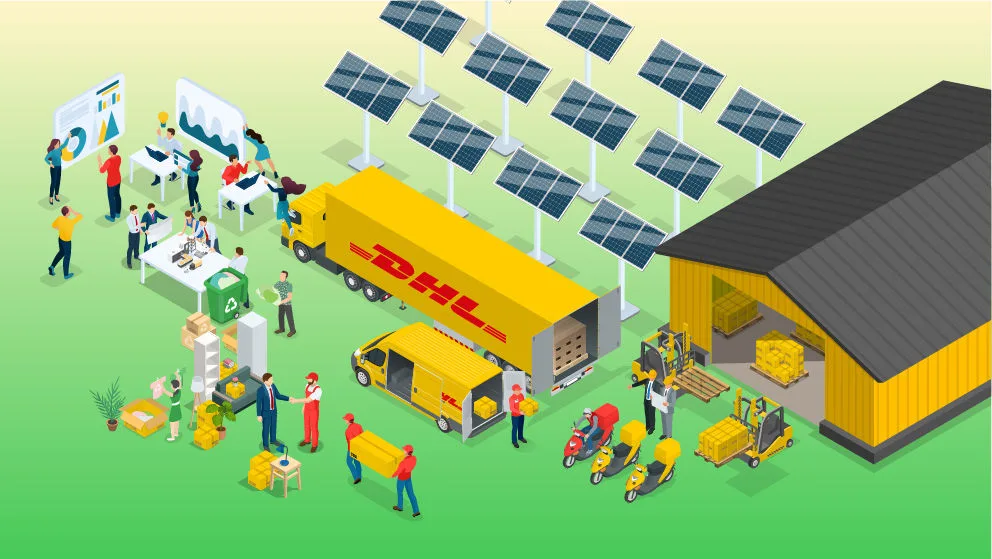
Discover more about green logistics with this toolkit, including sustainable strategies you can implement to help your business become more eco-friendly.